留言
留言
如果您对我们的产品感兴趣并想了解更多详细信息,请在此处留言,我们会尽快回复您。
提交
首页 博客

All-in-One (Integrated) vs. All-in-Two (Split) Solar Street Lights: Which is Best for Highways?

All-in-One (Integrated) vs. All-in-Two (Split) Solar Street Lights: Which is Best for Highways?

December 09, 2025
For highway lighting, the choice between All-in-One (Integrated) Solar Street Lights and All-in-Two (Split) Solar Street Lights hinges on highway-specific requirements: high brightness, long runtime (10–12+ hours nightly), extreme durability (wind, temperature, vibration resistance), low maintenance, and optimal solar energy absorption. Below is a detailed comparison of their suitability for highways, along with a clear recommendation and selection criteria.
 
solar energy absorption
 
First, clarify the two configurations to frame the comparison:
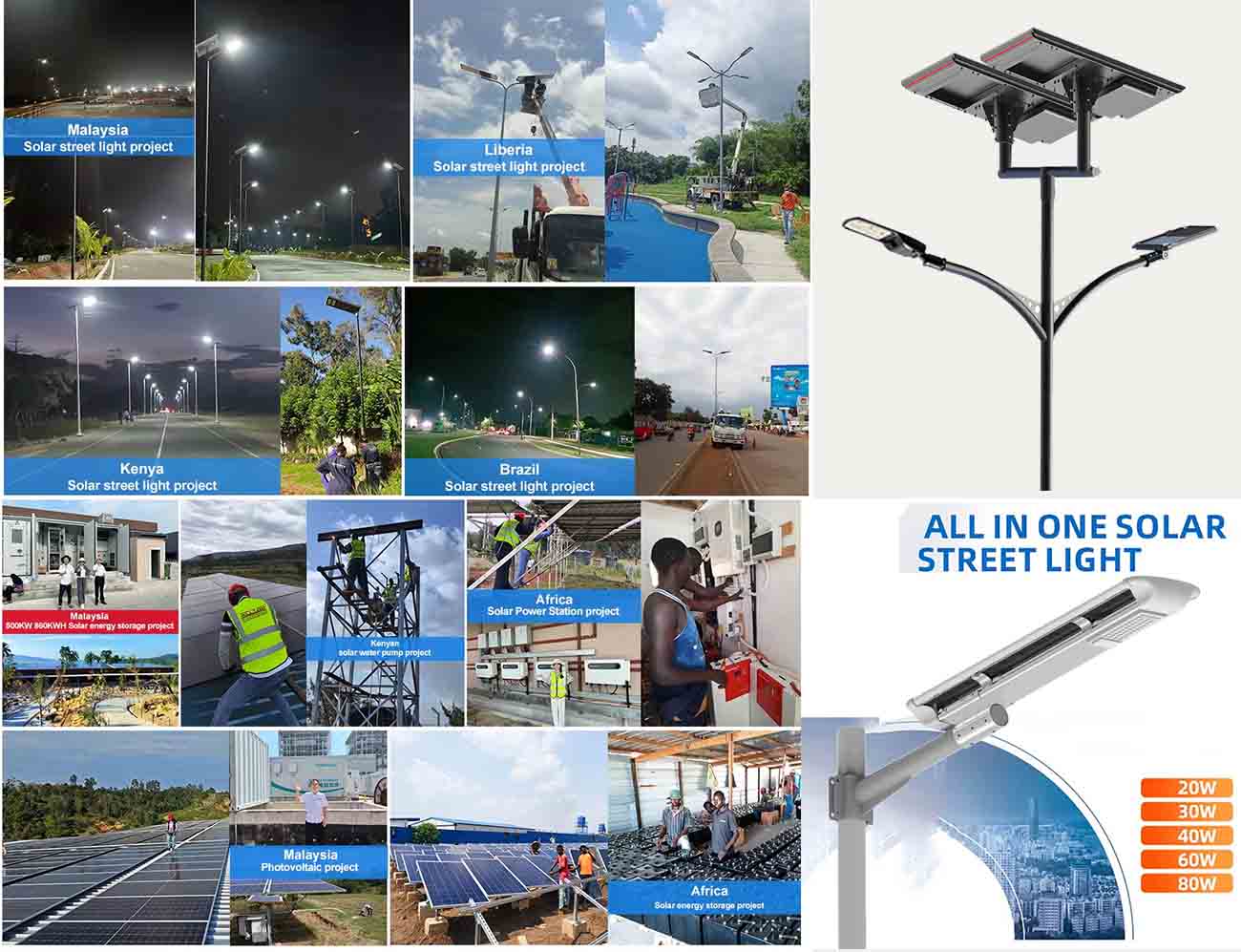
All-in-One (Integrated): Combines solar panel, LED module, lithium battery, and controller into a single compact unit. Mounted directly on the light pole (no separate solar panel installation).
 
All-in-Two (Split): Splits the system into two parts:
A separate solar panel (mounted on the pole top or adjacent structure)
A light fixture (housing LED, battery, and controller) mounted lower on the pole.
Connected by wires (typically 3–5 meters).
 
All-in-Two (Split): Splits the system
 
 
Critical Comparison for Highway Applications
 
Highways demand uncompromising performance: they require 5,000–20,000+ lumens per fixture (to illuminate 10–20m wide lanes), reliable operation in -30°C to 60°C temperatures, resistance to high winds (≥12 level) and traffic vibrations, and minimal maintenance (since highway poles are hard to access).
Here’s how the two types stack up:
 
 
Evaluation Factor All-in-One (Integrated) All-in-Two (Split)
Brightness & Runtime (Highway Priority)

Limited by compact design: Solar panel size (max ~1.2㎡) and battery capacity (max ~100Ah) restrict output to 5,000–8,000 lumens.

Runtime may drop to 6–8 hours in cloudy weather (insufficient for 24/7 highway needs).

No size constraints: Larger solar panels (1.5–3㎡) and high-capacity batteries (100–200Ah) deliver 8,000–20,000+ lumens.

Supports 10–14 hours of continuous lighting (even in low sunlight) — meets highway “all-night” requirements.

Solar Energy Absorption

Fixed panel angle (integrated into the fixture) — hard to optimize for latitude/season.

Risk of shading from nearby structures/poles.

Adjustable solar panel: Can be tilted to match local latitude (e.g., 30°–45° for optimal sun exposure) and mounted higher to avoid shading.

Captures 20–30% more solar energy than all-in-one.

Durability & Environmental Resistance

Compact design = higher wind load (risk of pole damage in storms).

Components are cramped, leading to poor heat dissipation — battery life shortens in high temperatures (critical for highways in deserts or tropical regions). Vibration from traffic may loosen internal connections.

Split design = lower wind resistance (solar panel mounted securely on pole top).

Separate components allow better heat dissipation (battery/LED not exposed to direct sunlight with the panel), extending battery life by 30–50%. Sturdier wiring and mounts resist traffic vibrations.

Maintenance & Repairability Fully integrated: If one component fails (e.g., battery or solar panel), the entire unit must be replaced. Highway maintenance requires cherry pickers — high replacement cost and downtime. Modular design: Replace only faulty components (e.g., battery, LED) without removing the entire system. Solar panels can be inspected/cleaned separately (critical for dusty highways). Lower maintenance cost and shorter downtime.
Installation Complexity

Simple: One unit, no wiring between panel and fixture.

Faster installation (15–20 mins per pole).

Slightly complex: Requires mounting the solar panel, running wires, and aligning the panel angle.

Installation time (30–40 mins per pole) is longer but manageable with trained teams.

Cost (Initial vs. Long-Term)

Lower initial cost ($200–$500 per unit) — attractive for budget-constrained projects.

Higher long-term cost: Shorter lifespan (3–5 years) and frequent replacements.

Higher initial cost ($400–$1,000 per unit) — offset by longer lifespan (5–8 years) and lower maintenance/ replacement costs.

Total cost of ownership (TCO) is 40–60% lower over 5 years.

Suitability for Highway Lanes Only viable for secondary highways, rural roads, or parking lot access roads (low traffic, moderate lighting needs).
 
 
Why All-in-Two (Split) is the Better Choice for Highways
 
 
Why All-in-Two (Split) Solar Street Lights is the Better Choice for Highways
Highways are critical infrastructure where performance, reliability, and low maintenance take priority over initial cost. All-in-two systems address the most pressing highway needs:
Adequate Brightness & Runtime: Larger components deliver the high lumens and long operating hours required to illuminate wide lanes and ensure driver safety.
 
Optimal Energy Harvesting: Adjustable solar panels maximize energy absorption, even in regions with variable sunlight (e.g., northern Europe, mountainous areas).
 
Durability in Harsh Conditions: Better heat dissipation and wind resistance ensure longevity in extreme weather (highways often span deserts, cold zones, or coastal areas with salt spray).
 
Cost-Effective Long-Term: Modular maintenance reduces downtime and replacement  costs — critical for highways where lighting outages pose safety risks.
 
When to Choose All-in-One
 
Exception: When to Choose All-in-One
All-in-one may be suitable for:
Secondary Roads/Rural Highways: Low traffic volume, shorter lighting distances (≤8m lane width), and easy maintenance access (e.g., roads near urban areas).
 
Temporary Lighting: Construction zones or emergency highway repairs (fast installation, no long-term commitment).
 
Budget Constraints: Small-scale projects with limited funding (but plan for higher replacement costs after 3–4 years).
 
Key Selection Tips for Highway Solar Street Lights (All-in-Two Priority)
If opting for all-in-two (the recommended choice), focus on these highway-specific specs:
Brightness & Uniformity: ≥10,000 lumens per fixture, 120°–150° beam angle (to cover 12–15m lane width), and uniform light distribution (no dark spots).
 
Battery Performance: Lithium iron phosphate (LiFePO4) batteries (temperature-resistant, 2,000+ charge cycles) with ≥100Ah capacity (supports 12 hours runtime in cloudy weather).
 
Solar Panel: Monocrystalline silicon (higher efficiency, ≥23% conversion rate) with ≥1.5㎡ area (for high latitudes or low sunlight regions).
Durability Ratings: IP67+ waterproof rating (resists rain/snow), wind load resistance ≥0.6kN/㎡ (for storms), and vibration resistance (IEC 60068-2-6 standard for traffic vibrations).
 
Certifications: Compliance with highway standards (e.g., CE, FCC, RoHS) and local road safety certifications (e.g., DOT in the US, ECE in Europe).
 
Warranty: ≥5-year warranty for the battery and LED module (reflects manufacturer confidence in long-term performance).
 
For primary highways, expressways, and high-traffic national roads, All-in-Two (Split) Solar Street Lights are the superior choice — they meet the strict requirements for brightness, runtime, durability, and low maintenance.
 
All-in-one systems are better suited for secondary roads or temporary applications where initial cost and quick installation are prioritized.

留言

留言
如果您对我们的产品感兴趣并想了解更多详细信息,请在此处留言,我们会尽快回复您。
提交
联系我们 : sales@szleadray.com

首页

产品

whatsApp

接触